Physical Address
304 North Cardinal St.
Dorchester Center, MA 02124
Physical Address
304 North Cardinal St.
Dorchester Center, MA 02124
This post may contain affiliate links. I may receive a small commission at no extra cost to you if you make a purchase through my links.
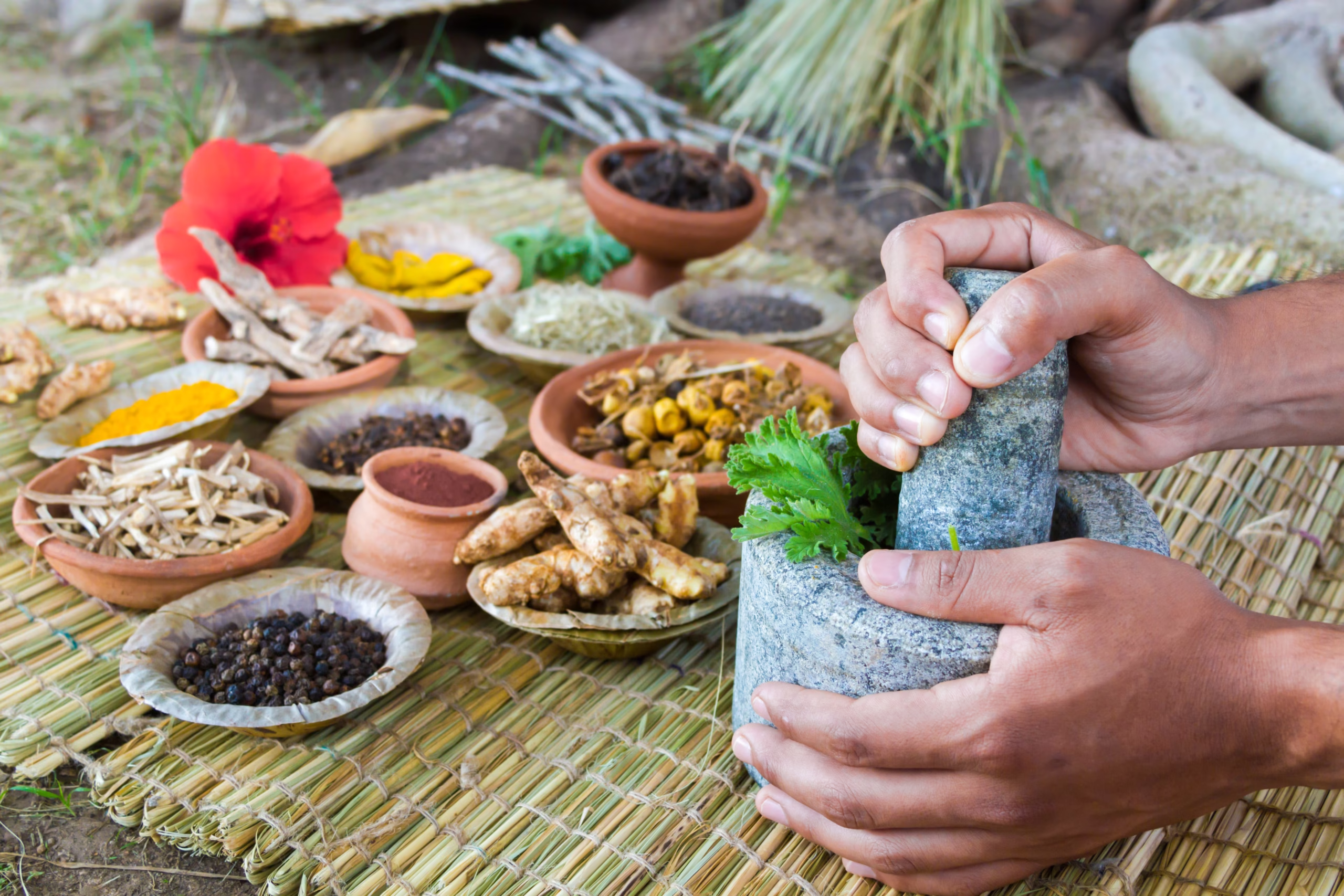
Ayurvedic hair care has become a trending topic in wellness circles, especially for those seeking natural solutions for stronger, healthier hair. But with popularity comes misinformation. From miracle claims about single herbs to rigid rituals that don’t suit everyone, myths can easily overshadow the true wisdom of Ayurveda. In this post, we’ll debunk common Ayurvedic hair care myths and share what actually works—so you can nurture your hair with confidence and clarity.
Many believe that a single herb—like amla or bhringraj—can solve all hair problems. While these herbs are powerful, Ayurveda emphasizes synergy. Herbs work best in combination, tailored to your dosha (body constitution). For example:
What works: Create blends or oils that balance your dosha rather than relying on one herb alone.
Ayurveda teaches that each person’s hair needs are unique, based on their dosha:
What works: Take a dosha quiz to understand your constitution before choosing herbs and rituals.
While oiling is central to Ayurvedic hair care, frequency depends on your dosha and lifestyle.
What works: Listen to your scalp. Over-oiling can clog pores, while under-oiling leaves hair dry.
Here’s a simple Ayurvedic-inspired routine you can try:
If you’re ready to personalize your Ayurvedic journey, grab the Ayurvedic Hair Care Starter Kit. It includes a dosha quiz, herb guide, and beginner-friendly recipes to help you create your own hair rituals.
Ayurvedic hair care isn’t about following rigid rules—it’s about understanding your unique constitution and working with nature’s wisdom. By letting go of myths and embracing personalized rituals, you’ll not only transform your hair but also deepen your connection to holistic wellness. Choosing this path could be the best decision you make for your hair health—because when you honor your dosha, your hair thrives naturally. 🌿
This post may contain affiliate links. I may receive a small commission at no extra cost to you if you make a purchase through my links.